On this page
A whole world within the highlands.
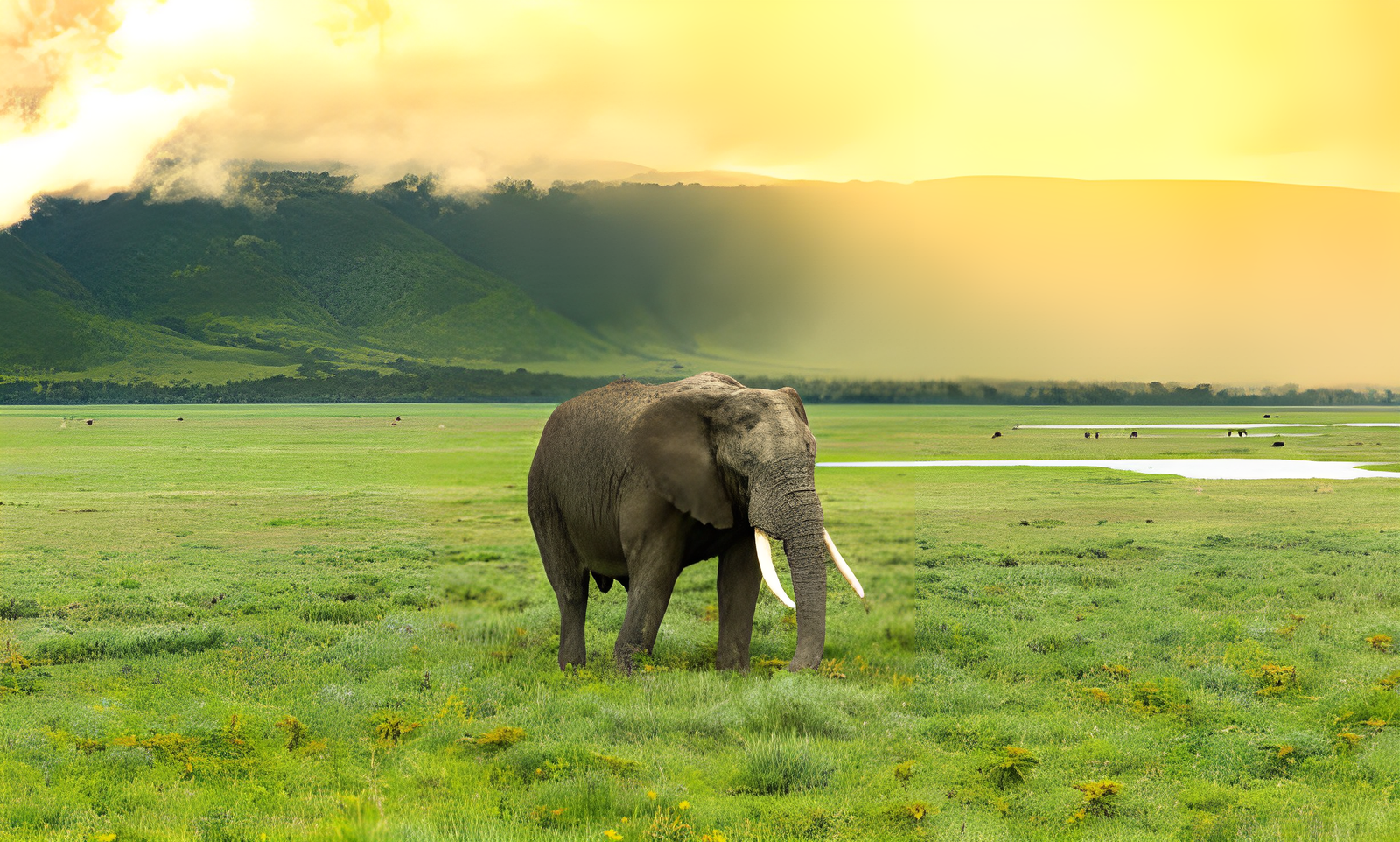
Ngorongoro’s crater is a striking natural amphitheatre within a much wider conservation landscape. The change from the rim to the floor brings a different perspective on scale, habitat and wildlife.
Give the highlands more than a passing glance. A well-placed stay and a considered route can turn the visit into a meaningful chapter between the Lake Manyara area and the Serengeti.
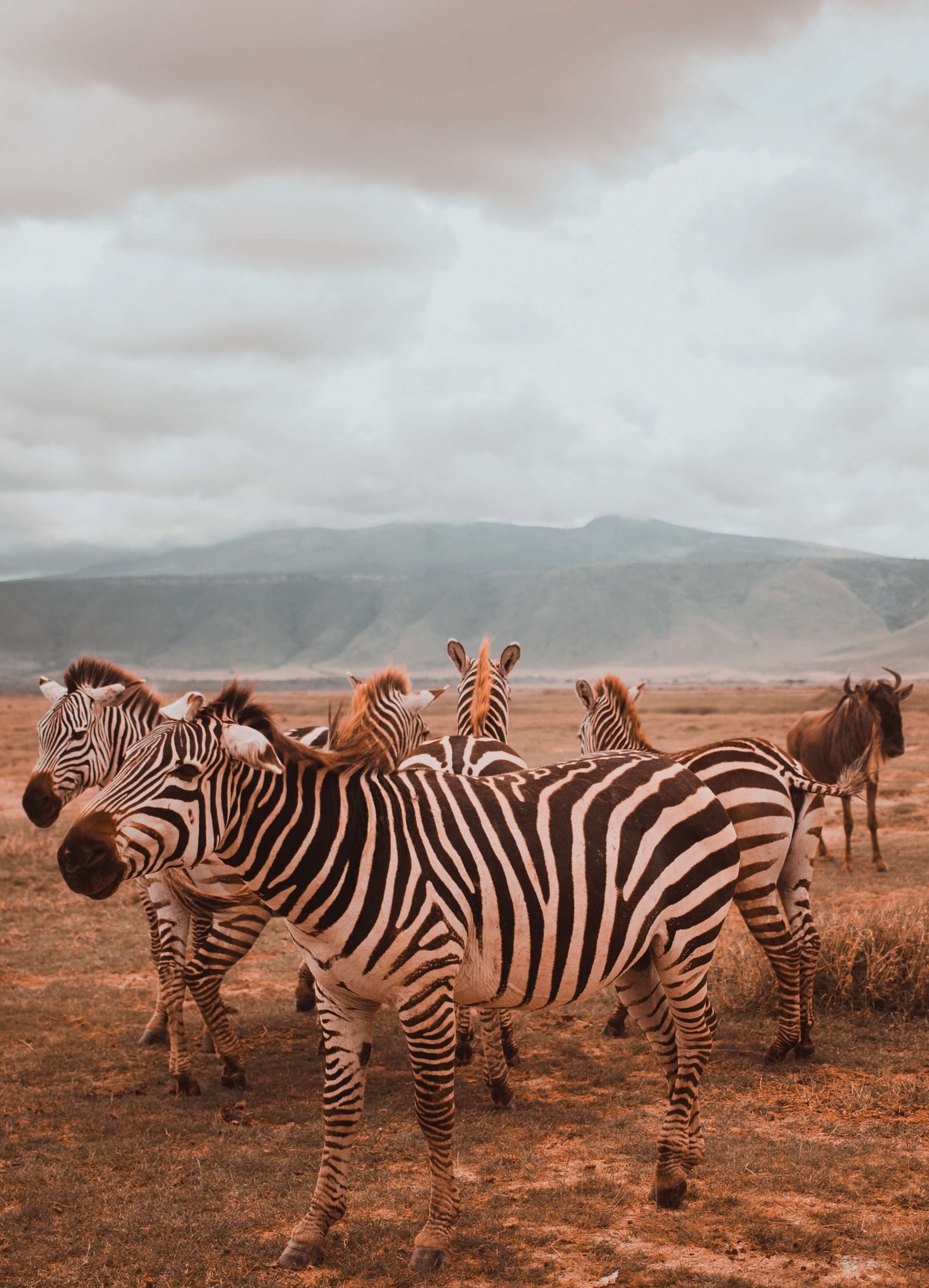
The moments to make room for.
Crater landscape
Take in the setting as well as individual animal encounters.
Highland perspectives
The rim and surrounding country offer a different view of northern Tanzania.
A connected route
Place the visit thoughtfully within a wider northern-circuit journey.
Make it part of your journey.
Safari style
A crater visit with a broader highland setting.
Accommodation
Compare the implications of staying around Karatu or nearer the rim.
Route pairing
Lake Manyara, Tarangire and Serengeti can all be discussed as onward options.
Access
Park arrangements and permitted activities must be confirmed for your itinerary.
A few things worth knowing.
Is the conservation area only the crater?
No. The crater is its best-known feature, but the conservation landscape extends beyond it.
Will I see every major species?
No wildlife sighting is guaranteed. Plan for a rewarding landscape and guided experience, not a promised checklist.
Your next adventure
Let’s put you in the picture.
Share what caught your eye. We’ll take it from there.