On this page
More than a moment on a checklist.
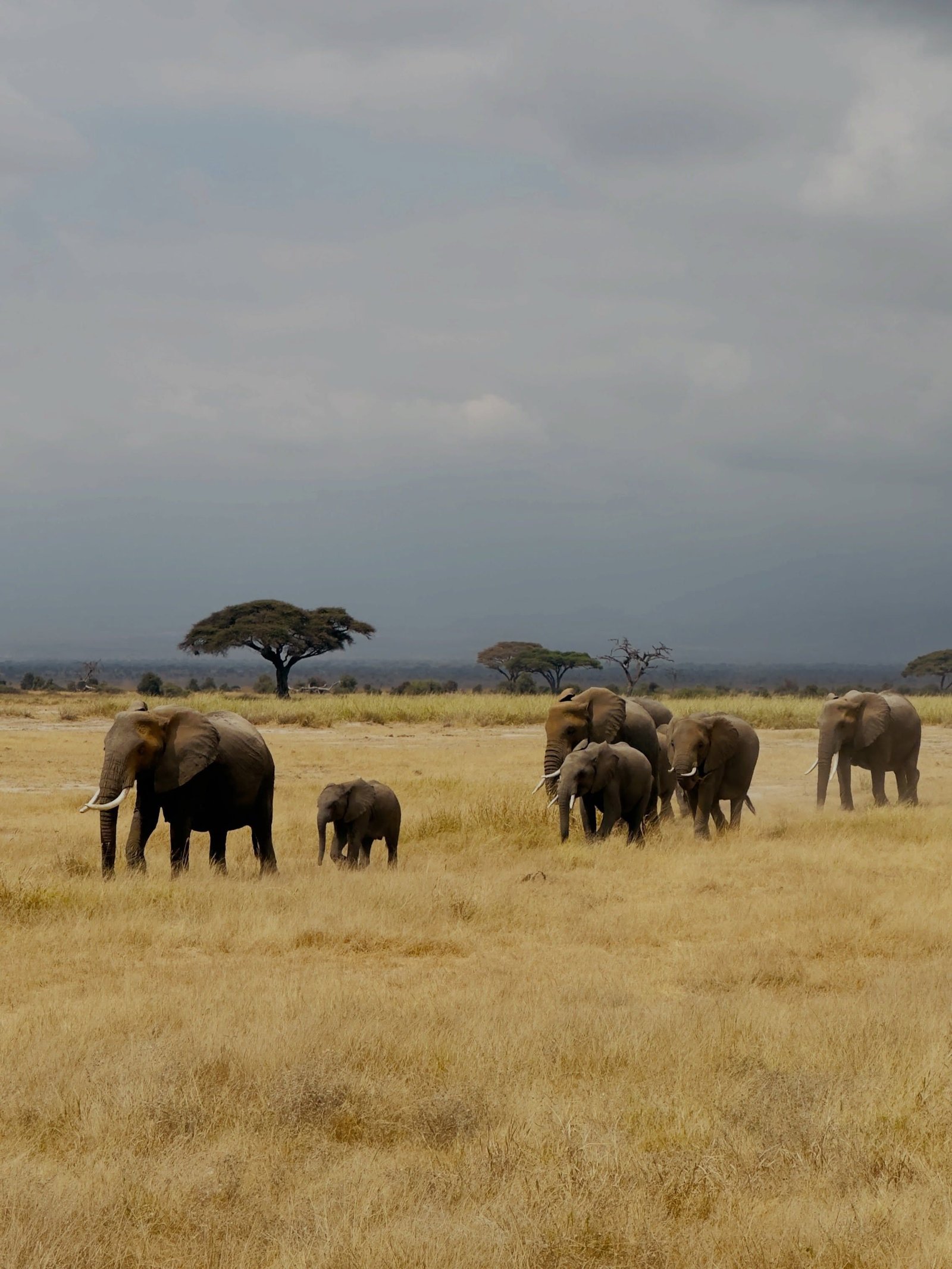
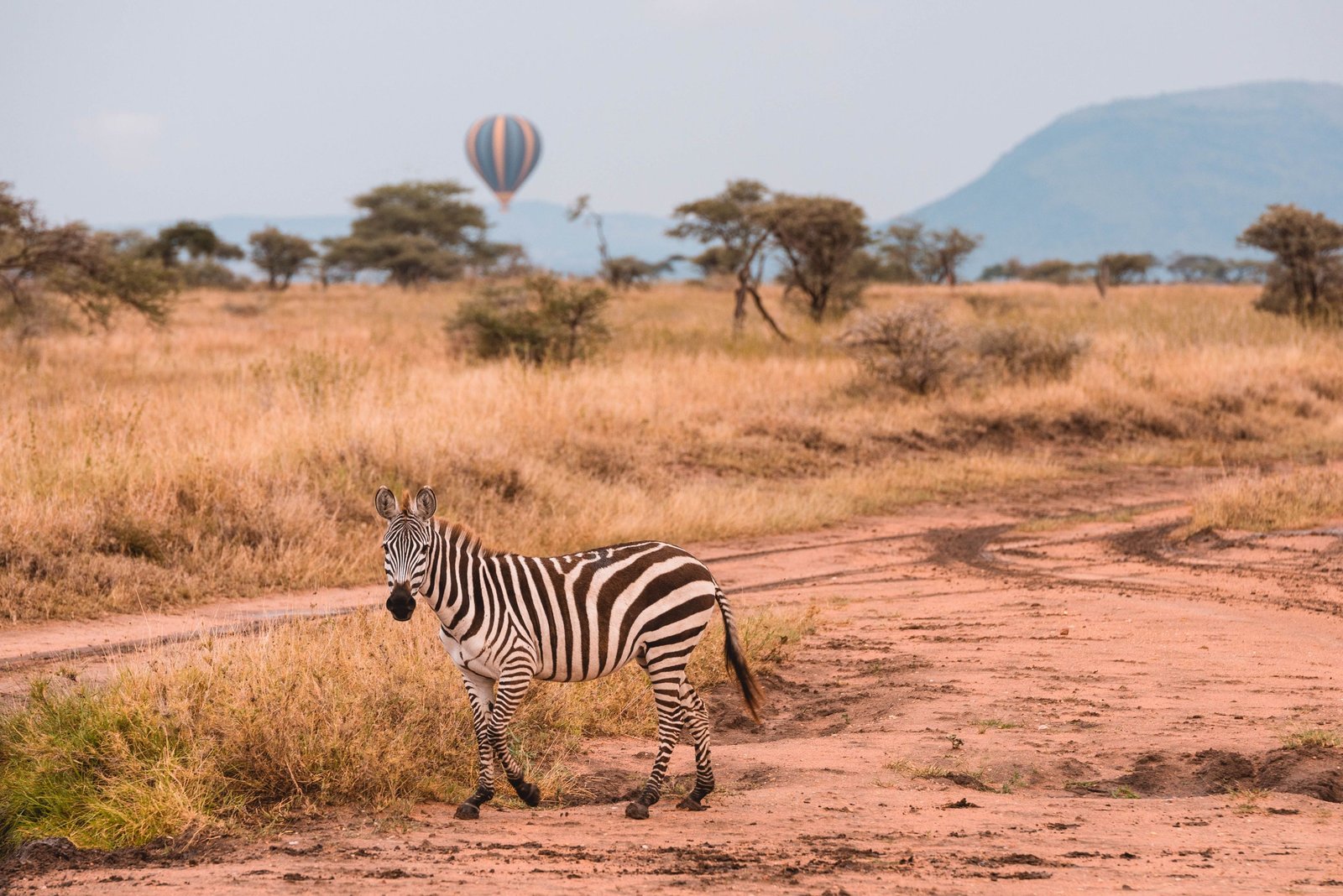
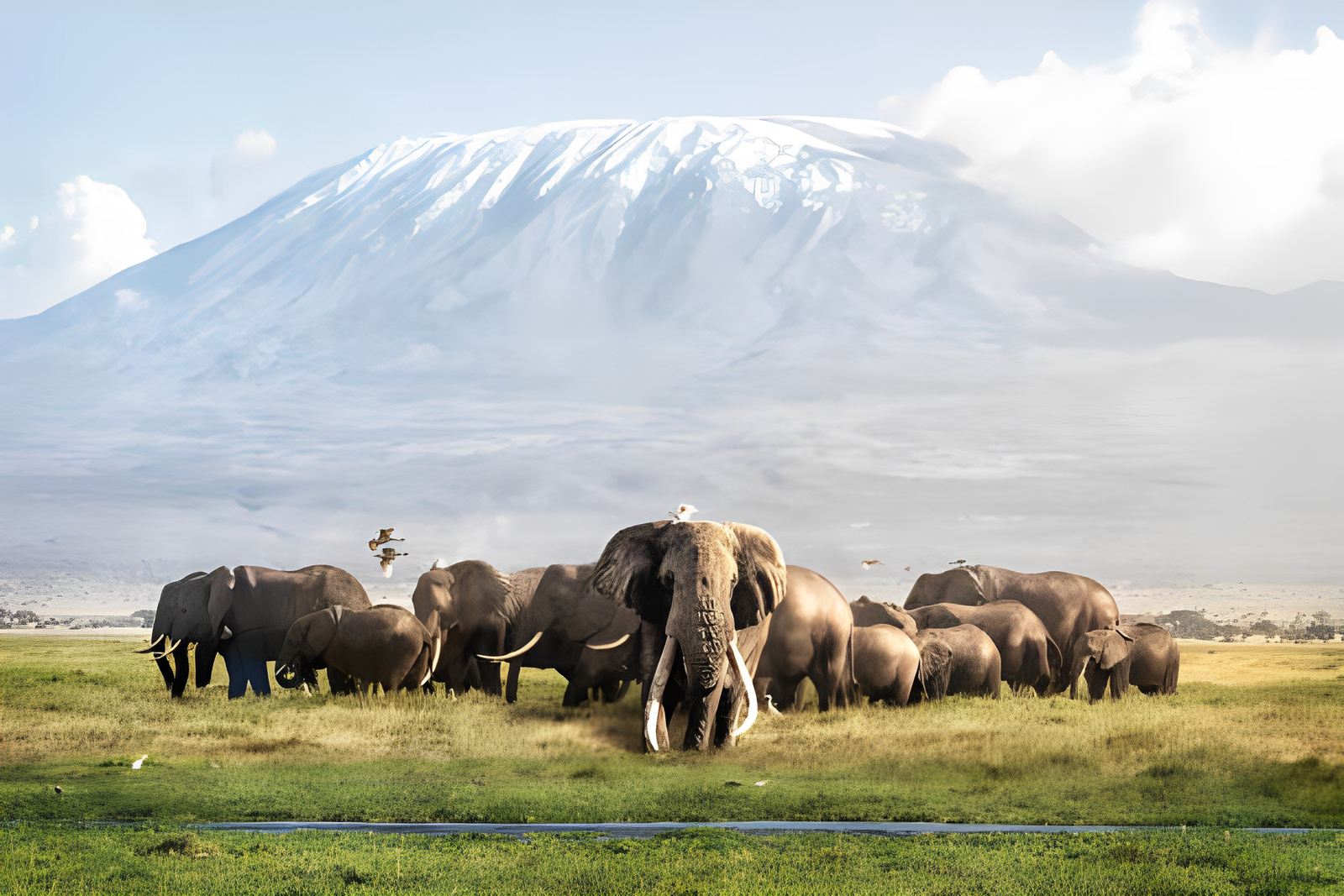
The Serengeti invites you to notice scale: grassland stretching into the distance, rocky islands rising from the plains and animals moving through a living landscape. Its migration is part of that story, not the whole of it.
Choose a base that suits your dates and leave space in the day for the unexpected. The most memorable safari often begins when you stop trying to hurry the wilderness.
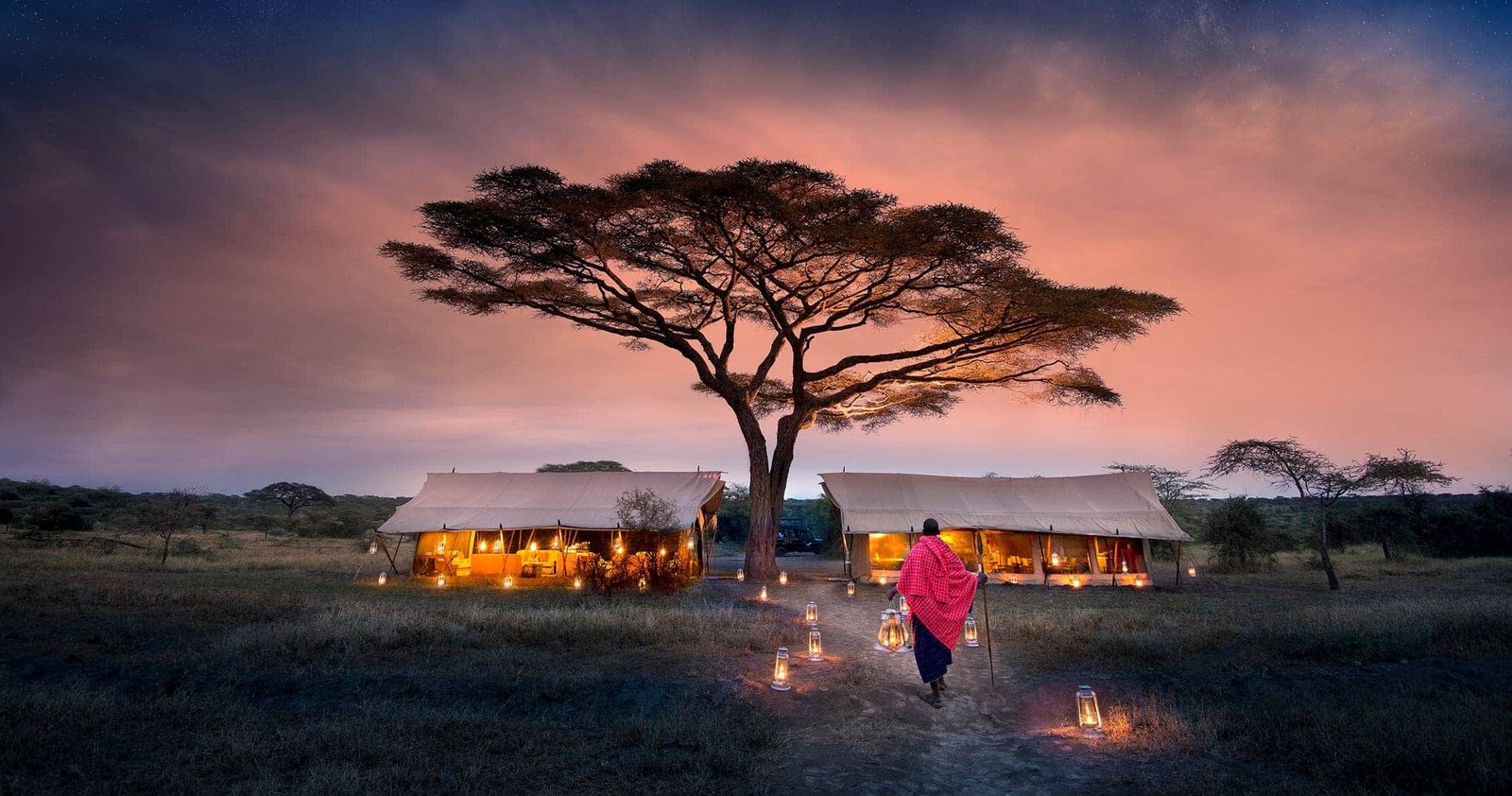
The moments to make room for.
Plains and kopjes
Give the scenery and smaller details as much attention as the headline wildlife.
Seasonal movement
Plan with the wider migration cycle in mind, while keeping expectations flexible.
Time in camp
A well-placed base reduces unnecessary driving and creates a calmer safari rhythm.
Make it part of your journey.
Your base
Camp location matters as much as style; discuss it against your dates.
Getting there
Compare road and air connections as part of the full journey.
Route pairing
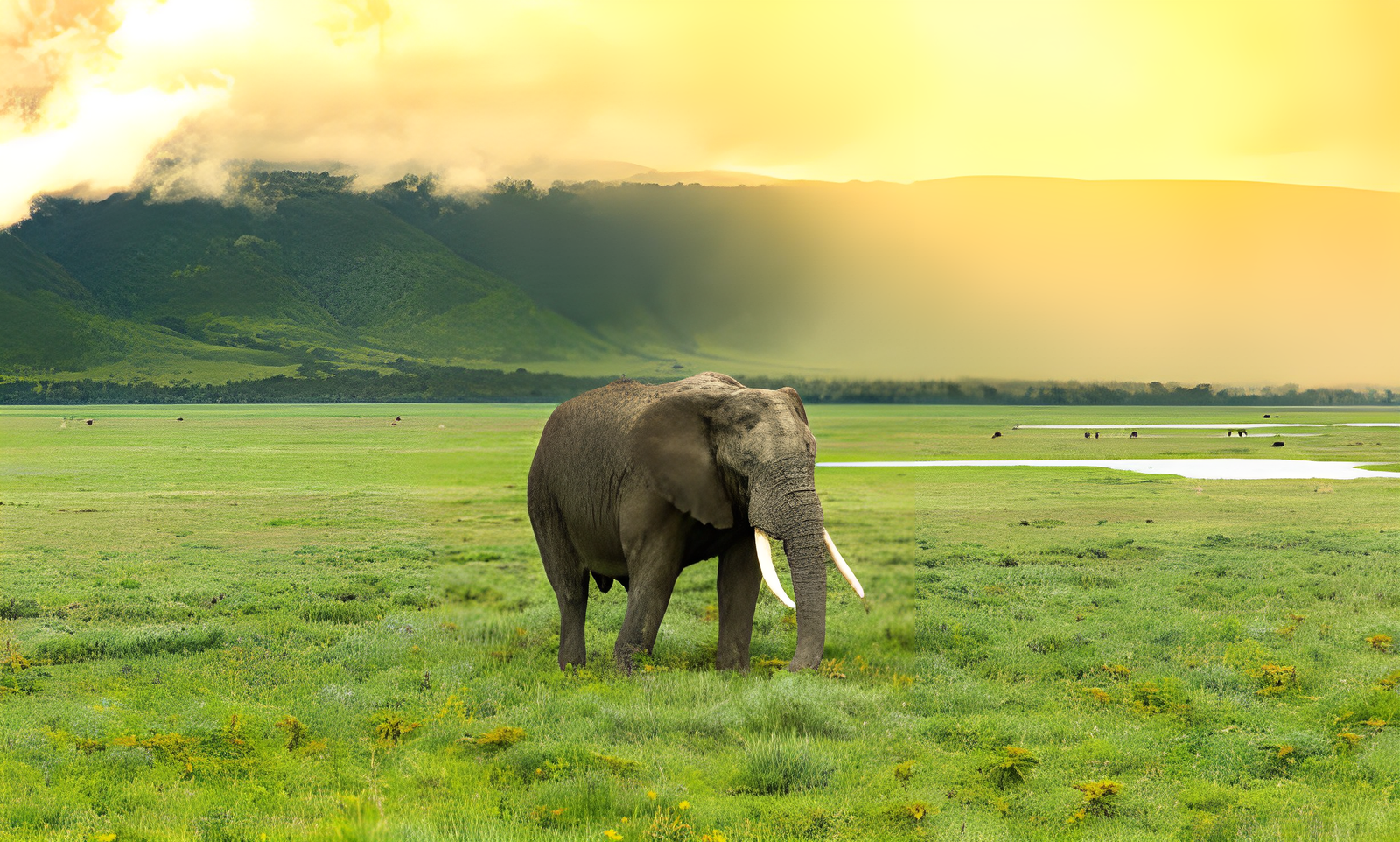
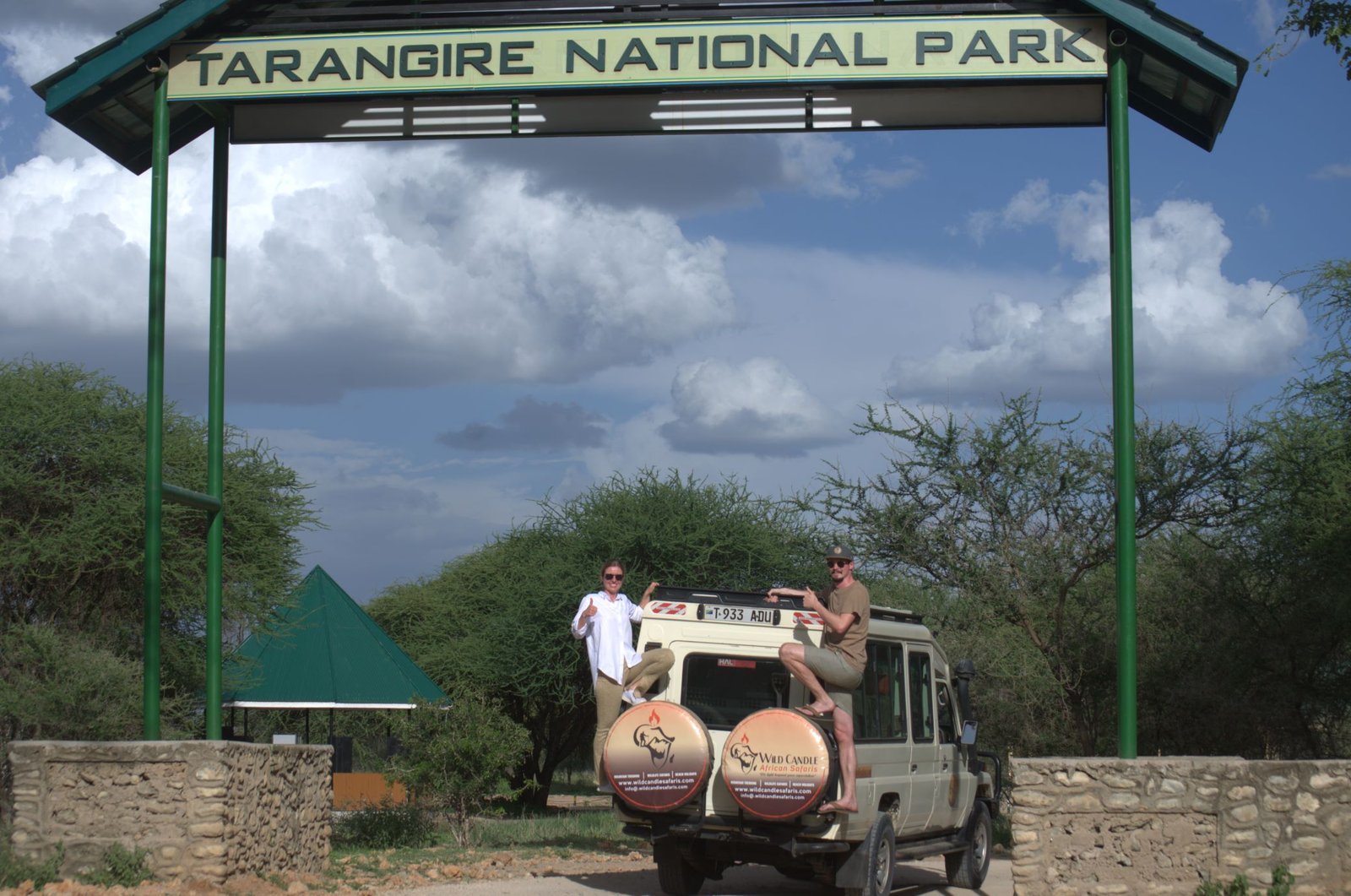
Ngorongoro and Tarangire bring different landscapes to a northern safari.
Wildlife
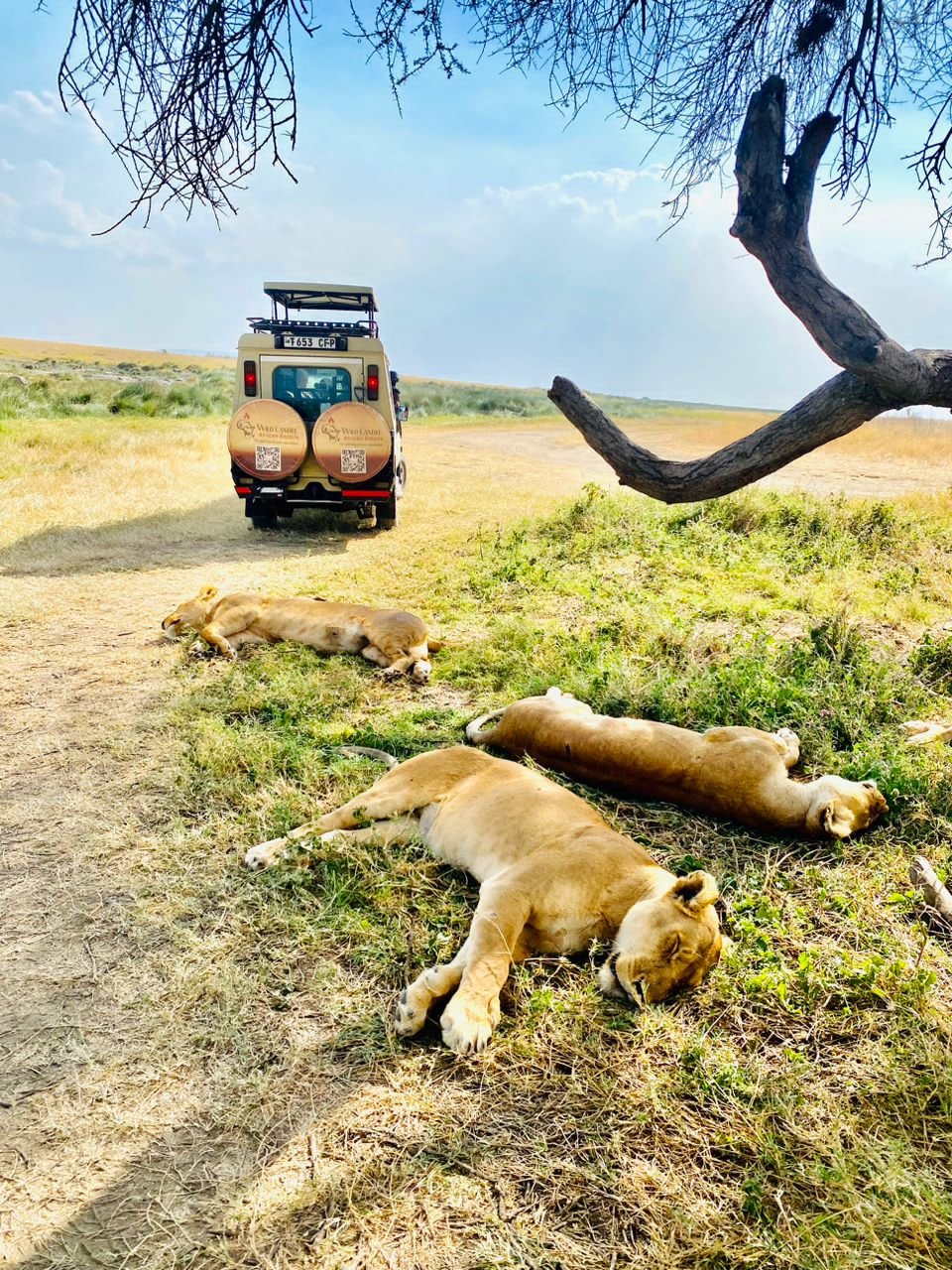
Free-ranging animals do not follow a visitor schedule. Sightings cannot be guaranteed.
A few things worth knowing.
Can a river crossing be guaranteed?
No. Weather and animal movement influence the migration; nobody can promise a crossing on a particular day.
Do I need to move camps every night?
Not always. A considered base can leave more time for wildlife and less time packing. We will discuss what suits your route.
Your next adventure
Let’s put you in the picture.
Share what caught your eye. We’ll take it from there.